
Education Services
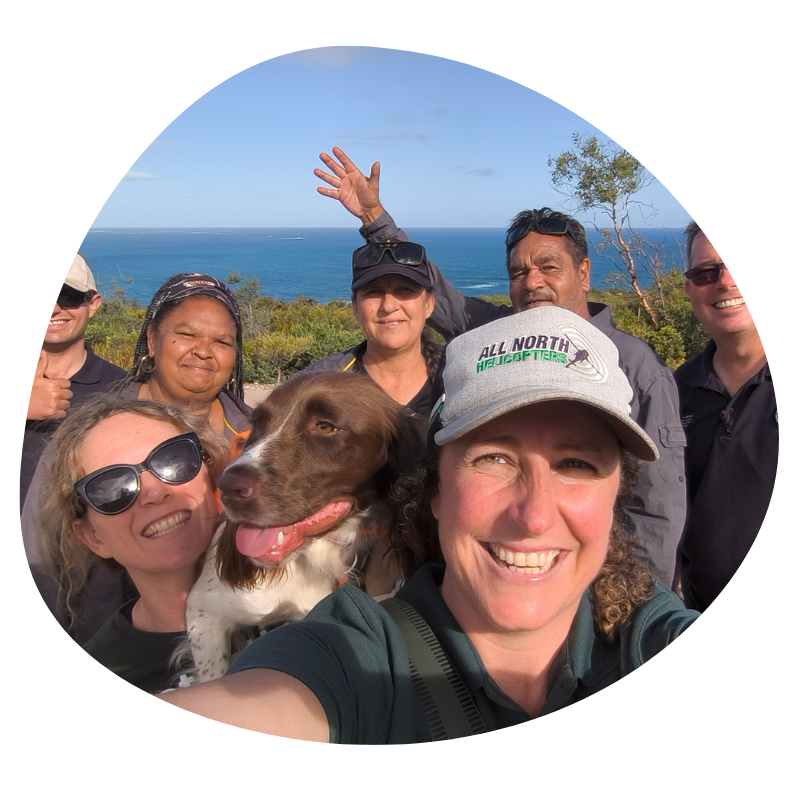
Conservation detection dogs have two super powers

Sniffing (obviously), but also connecting with people!
This second superpower means that they are able to act as a bridge, and through the combination of their charisma and good storytelling, reach people who might otherwise find biosecurity messaging boring - protecting ecosystems with stories, snuggles, inspiration and a dose of hope.
Educational Experiences
Detection for Good offers educational experiences for students of all ages.
Dr Barnes has extensive experience lecturing and training, and is a skilled science communicator with extensive experience translating conservation messages for diverse audiences.
She has worked with everyone from Kindergarten kids to senior government officials, scientists to tradies to communicate critical conservation messages.
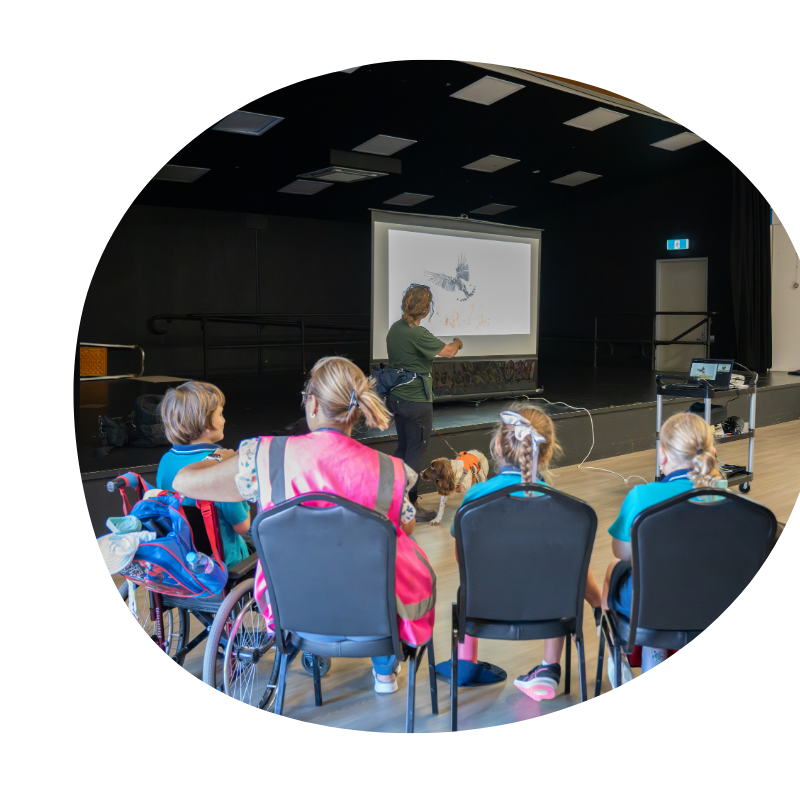
DFG offers bespoke, accessible educational content that incorporates demonstrations from our beautiful and talented detection dogs.
The content is tailored to your local area and unique educational needs to deliver an unforgettable experience that meets curriculum objectives - from Kindergarten to college levels, delivered as either incursions or excursions.
We specialise in conservation and environmental education, as well as dog training, the relationshjip between dogs and humans, and learning theory, making our services appropriate for science, geography, art and psychology, social sciences and even anthropology,

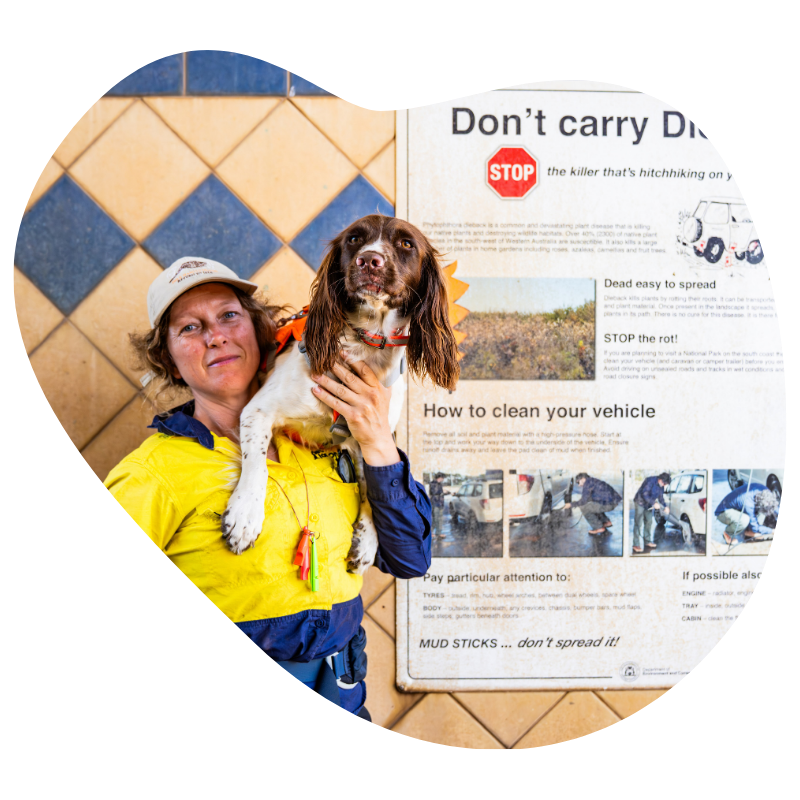
Green Card with a difference!
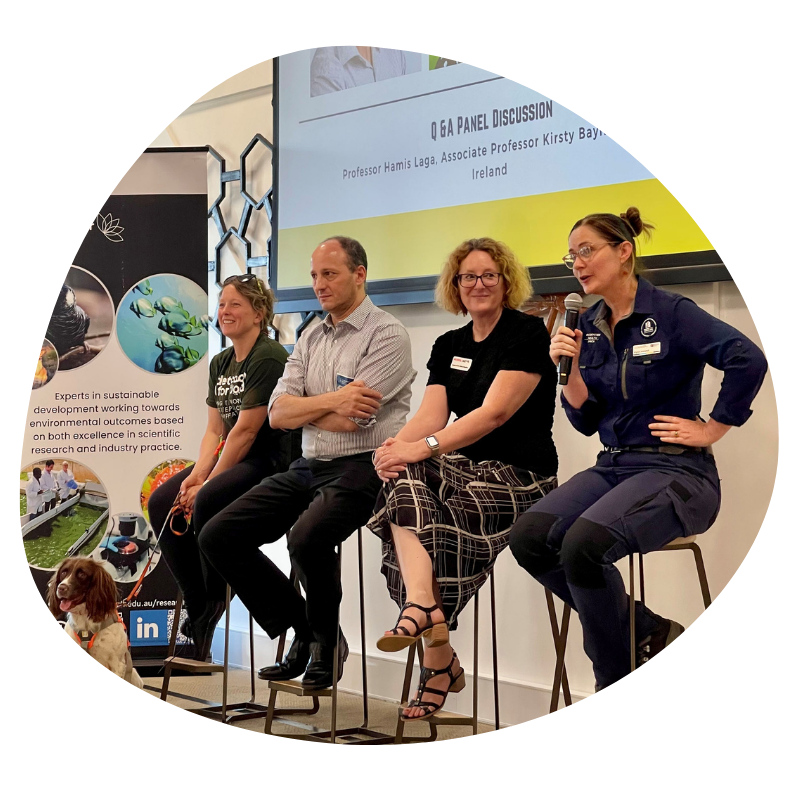
Detection for Good partners with Dieback Working Group, interpreters and other green card providers to support delivery of green card training with a difference.
Partnering with our team ENHANCES OUTCOMES by improving uptake of information as a direct result of making the experience more SALIENT and ENGAGING.
Get in touch to ask about how we can improve your training experience today.
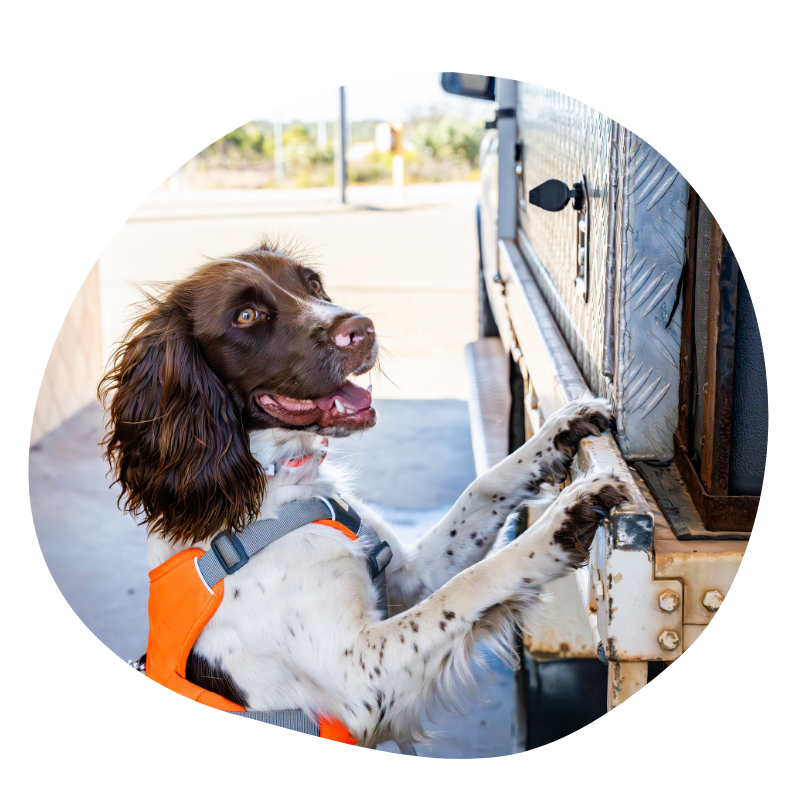
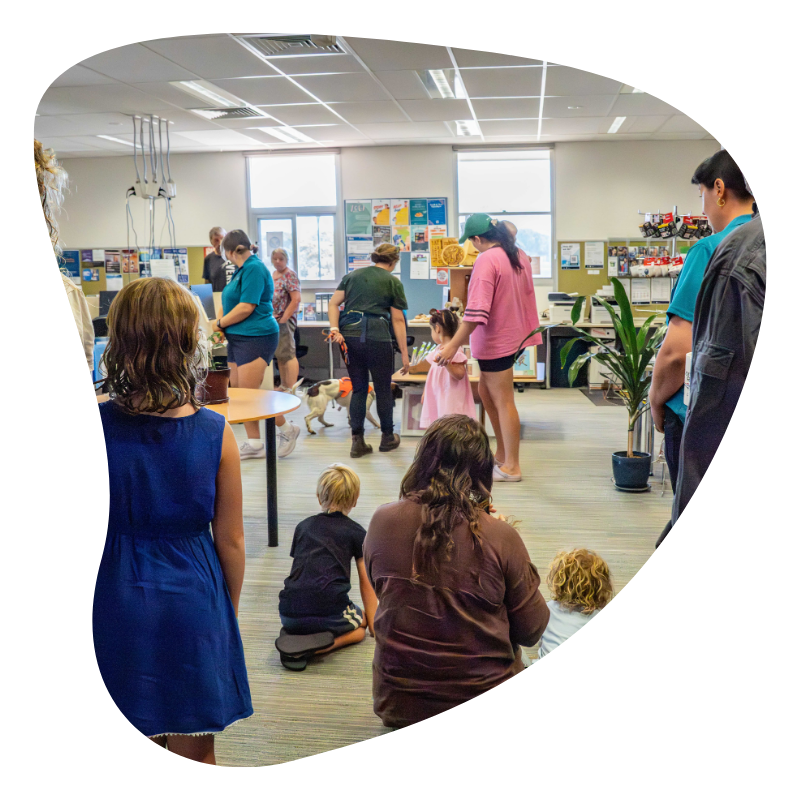
Community Conservation
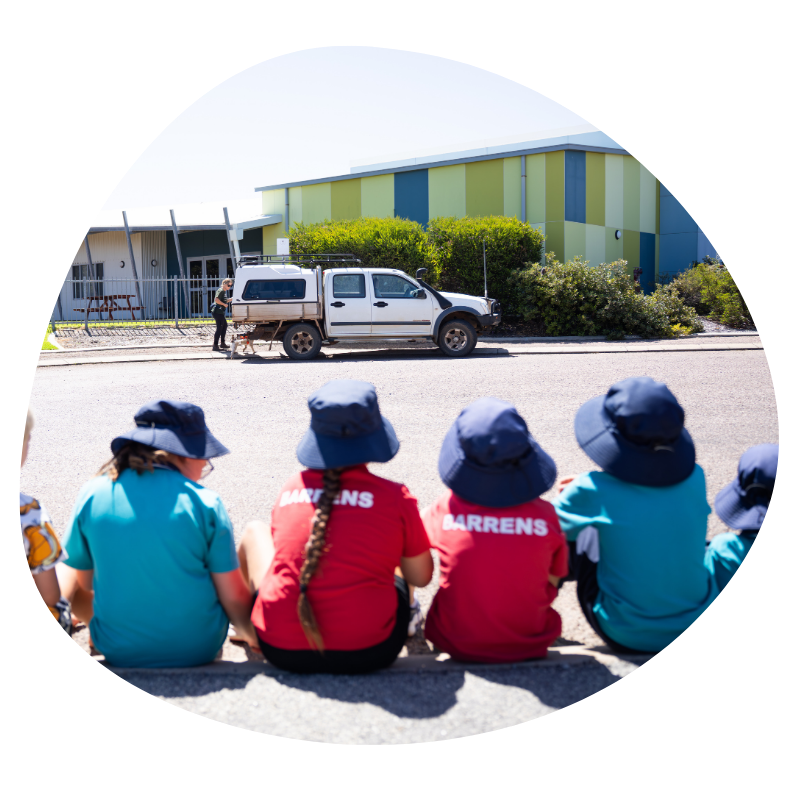
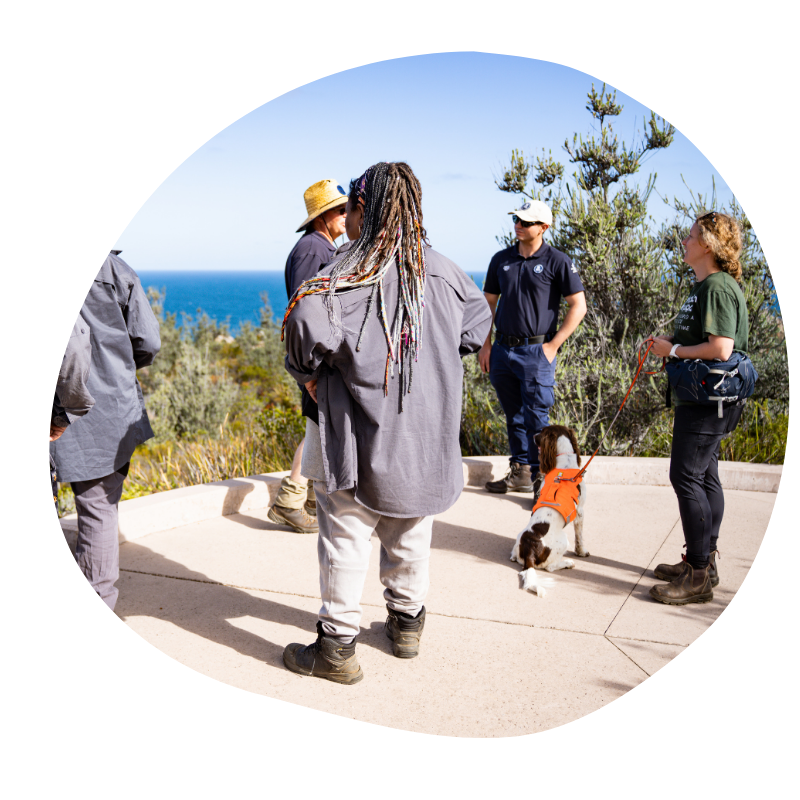
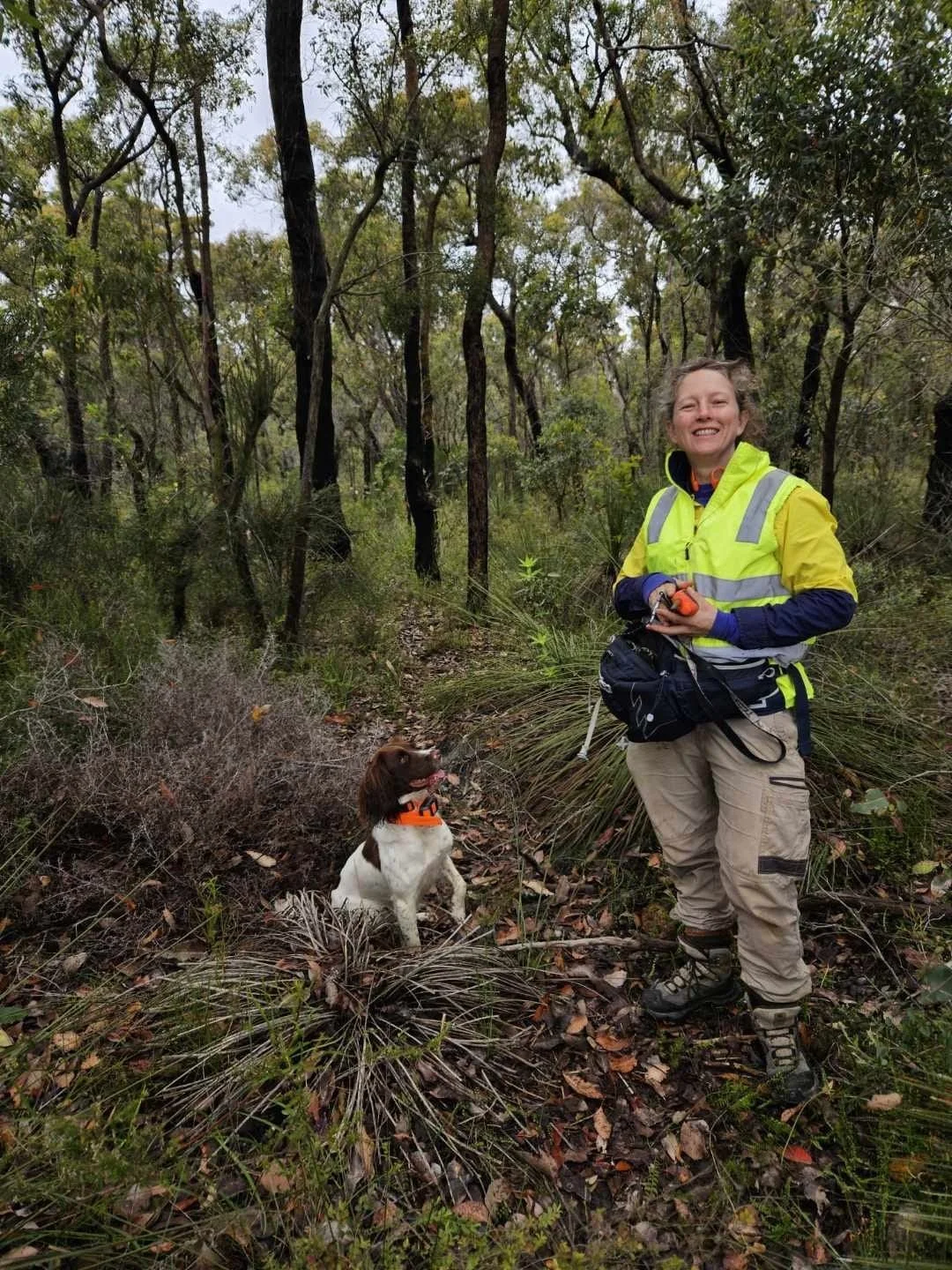
Detection for Good delivers exceptional community conservation activities to support environmental education, and we have worked in partnership with rangers, land managers, NGO’s, NRM’s, community groups, and Traditional Owners to deliver community events from story time with kids, to field visits and demonstration with community groups.
From supporting Western Ringtail conservation, to dieback education, we can support your community conservation needs.
Read about our work in Ravensthorpe HERE.
Research Highlights
Discover our
Latest Projects



FAQ
-
Anything we train them to! You can check out our current odours here.
-
That depends on the target, project, similarity of training materials to final target, final context and more. Dogs can learn a new odour in a few hours, and consolidate it in their library best with sessions spread out over a couple of months. The biggest challenges for very rare species can be search strategy, and setting the dog up to succeed in encountering the target. New landscapes and final odours very different to the training material may require in situ training and familiarisation, as each presents a new challenge!!
-
We are currently investigating options to train a cat and fox detection dog, but none of our current dogs are trained on this odour. Should you be interested, get in touch about the timelines and scale of your project, as this will help us plan our future acquisition and training schedule.
-
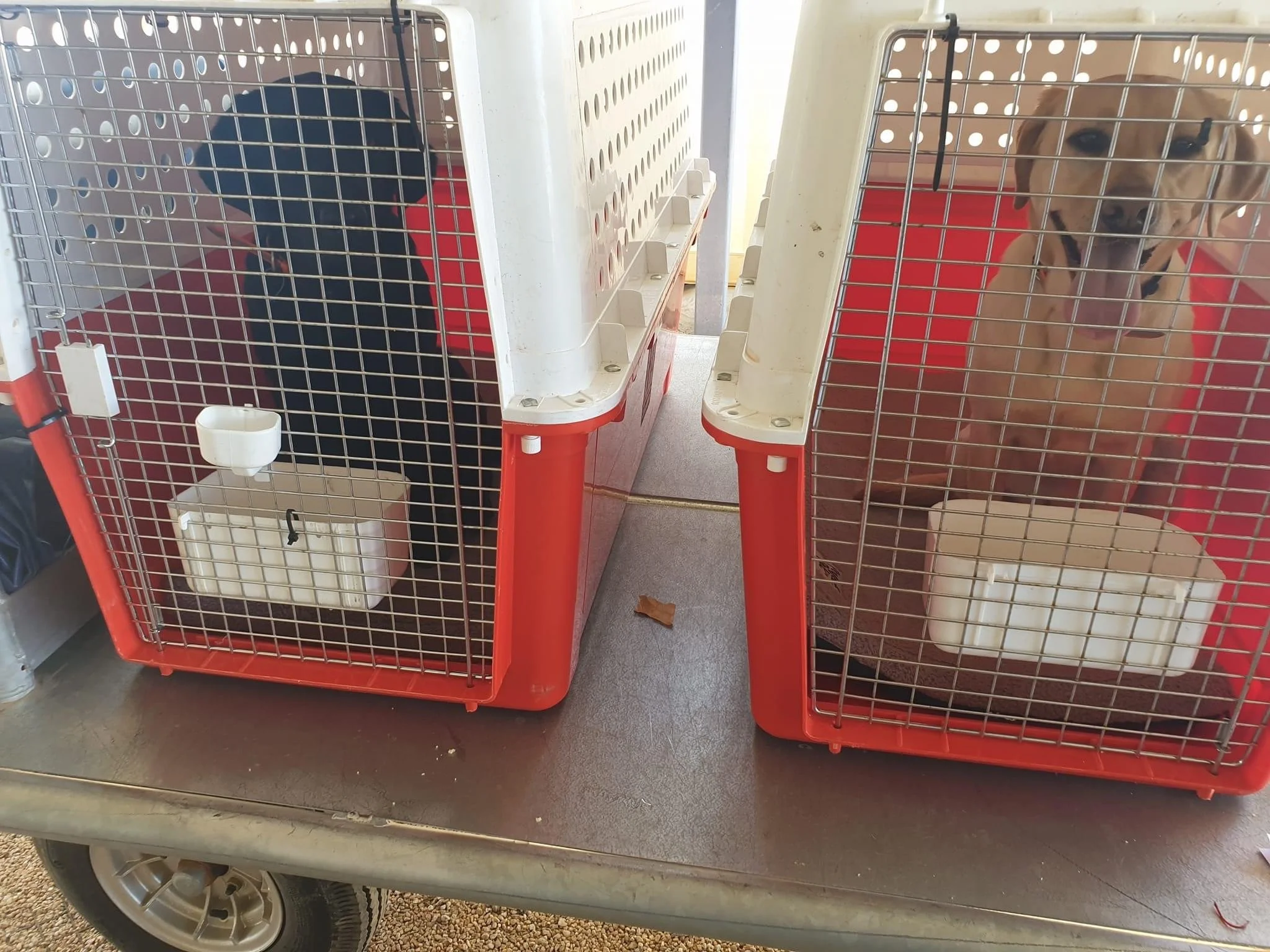
Nope! Our dogs a trained to have a passive alert - that is, they don’t interact with the target at all. This is usually a down, but may also be a sit or freeze behaviour as needed.
-
There are absolutely ways to be successful with limited options, and we are passionate about making projects work for species in need, but we are going to need material to train the dogs on. More limited material means slower progress.
-
Great question! Yes, with training. If species have similar diets, it is important to train discrimination, as otherwise, the scent may appear similar in the field. For this reason if dogs are trained on samples from captivity, or a different part of the range, there can be a period of adaptive in-field training to clarify target odour.
-
Nope! Dogs can find scat, but they can also find live AND dead targets.
-
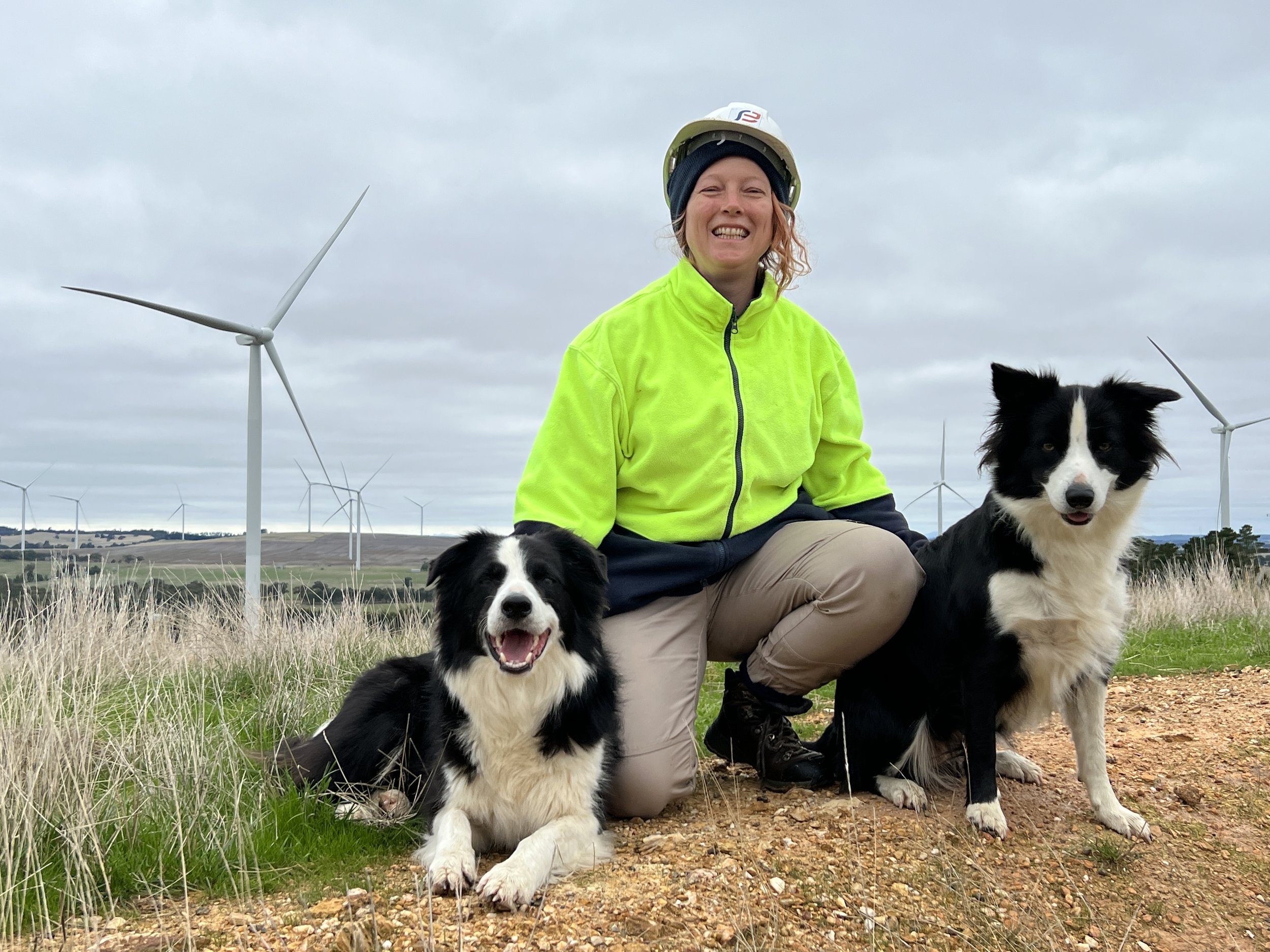
Great question! All our dogs are trained to to interact with other wildlife, a skill which is constantly reinforced. All teams dog and human) pass a co-operation and communication assessment to ensure that they can comply with safety standard including responsiveness to safety cues such as emergency stops and recalls in the presence of wildlife and vehicles.